Custom Wall Signage
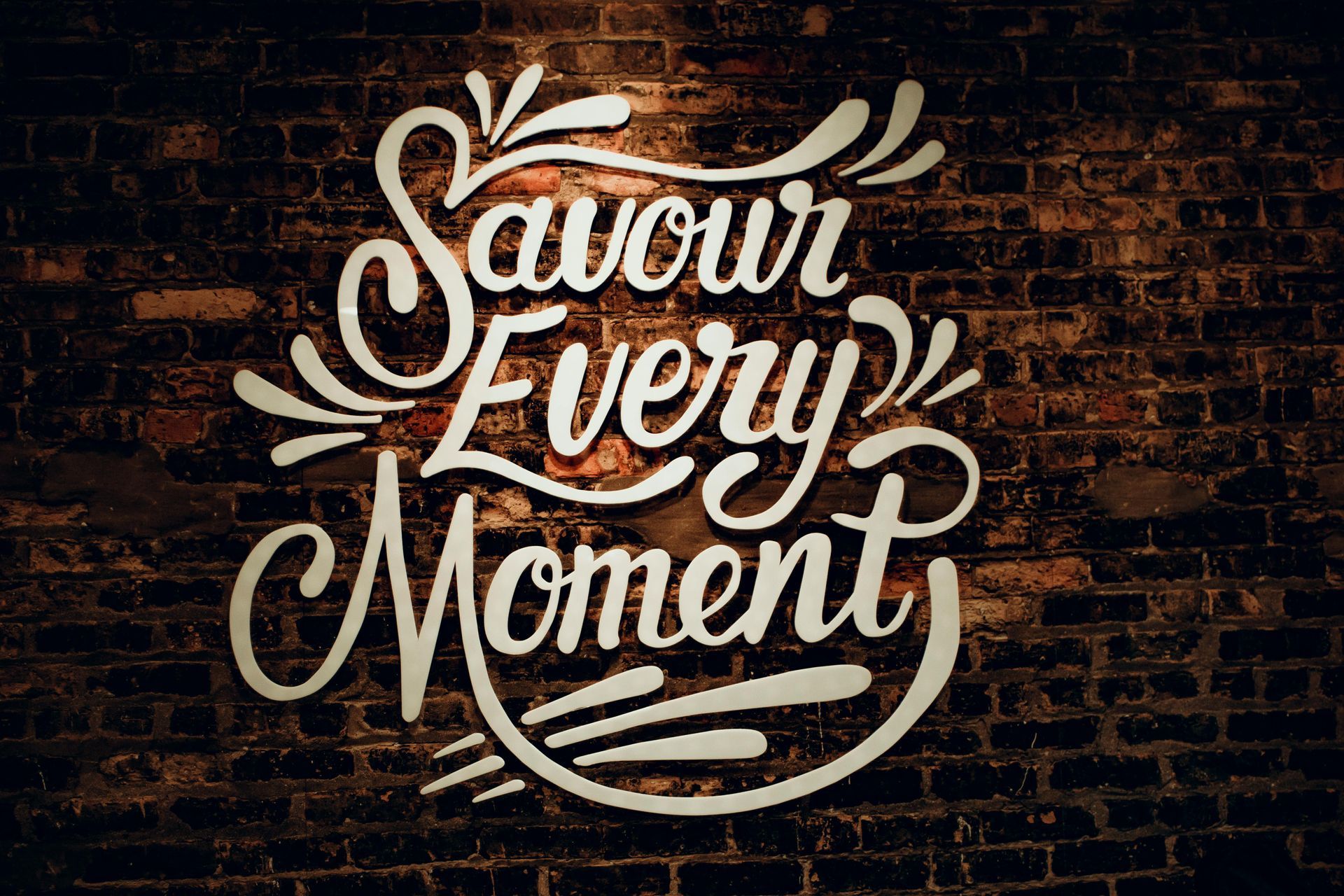
Branding Integrated Into Interior Architecture
Custom wall signage in Post Falls for offices, retail environments, and commercial spaces requiring professional brand displays and informational graphics
Wall signage that appears as an afterthought—misaligned, poorly scaled, or visually disconnected from surrounding finishes—undermines the professionalism businesses work to establish through other design elements. Printed wall signage from North Mud & Painting integrates brand colors, logos, and messaging directly into interior surfaces with precise placement, clean edges, and sizing proportional to viewing distances. The application process accounts for wall texture, lighting conditions, and architectural features that affect readability and visual impact, treating signage as part of the space's overall design rather than decoration applied without spatial consideration.
Installation begins with layout verification using scaled templates that confirm sizing decisions work at actual scale and viewing angles—proportions that appear correct in digital mockups often require adjustment when transferred to full-size walls. Material selection depends on whether the signage needs removal without wall damage for future updates, requires outdoor durability for semi-enclosed spaces, or must maintain appearance despite frequent cleaning in food service or healthcare environments. Post Falls commercial interiors benefit from materials that handle the region's indoor humidity swings without edge lifting or color shift.
Request a site visit to review wall conditions, finalize sizing, and confirm material selection appropriate for your space's requirements.
What Proper Wall Signage Requires
Professional signage installation addresses substrate preparation that affects adhesion and long-term appearance. Walls with texture, previous adhesive residue, or low-quality paint that delaminates under adhesive stress need correction before materials are applied. Off-gassing from fresh paint or joint compound interferes with adhesive bonding, requiring cure times before installation. Color consistency across panels matters when designs span multiple pieces—printing tolerances and installation alignment determine whether seams disappear or create visible breaks in continuous imagery.
Completed installations produce legible text at intended reading distances, colors that match brand standards under the space's lighting, and edges that terminate cleanly without lifting or trapped air bubbles. Signage aligns with architectural elements like door frames, ceiling lines, or adjacent fixtures rather than appearing arbitrarily placed. The graphics integrate with existing color palettes and finishes, supporting the space's design intent rather than conflicting with it through poor color coordination or scale mismatches.
Custom wall signage differs from off-the-shelf options in sizing flexibility that adapts to specific wall dimensions, color matching to exact brand specifications, and design layouts that incorporate or work around existing architectural features like electrical outlets, wall sconces, or HVAC registers. The approach suits businesses where brand consistency across locations or precise integration with interior design determines the signage's effectiveness. Material options range from removable films for temporary displays to permanent applications with protective laminates for high-contact areas.
What Business Owners Usually Ask
Commercial signage projects involve decisions about materials, durability, and installation methods that affect both appearance and functional lifespan.
What determines whether wall signage should be printed on vinyl, fabric, or rigid substrates?
Vinyl suits most interior applications offering flexibility around minor wall irregularities and removability for updates, fabric materials reduce glare in high-light environments, and rigid substrates work where dimensional presence or extreme durability matter. Each material handles differently during installation and removal.
How do you maintain color accuracy between digital brand standards and printed wall signage?
Color matching requires calibrated printing systems, controlled viewing conditions when approving samples, and understanding that monitor colors don't directly translate to print. Physical samples viewed under the installation space's actual lighting provide the most reliable approval method.
What wall conditions prevent signage installation until corrected?
Active moisture issues, flaking paint, significant texture variation, or recent painting within the past two weeks create adhesion failures or appearance problems. Walls in Post Falls buildings with ongoing water intrusion require remediation before permanent graphics are installed.
When should signage be installed during office buildouts or remodels?
Installation should occur after painting completes and cures, after final cleaning, but before furniture placement that would restrict access or risk damage. Coordination with other trades prevents dust contamination or accidental damage during the adhesive's initial bonding period.
Why do some wall graphics develop edge lifting or bubbles months after installation?
Inadequate initial adhesion from contaminated surfaces, substrate movement from temperature or humidity changes, or incompatible adhesives for the specific wall paint all cause delayed failures. Proper surface preparation and material selection prevent most delayed issues.
North Mud & Painting provides custom wall signage design, production, and installation for commercial properties in Post Falls and nearby areas. Contact us to discuss your branding requirements and schedule an on-site consultation.