Roof Coatings and Roof Painting
Protective Layers That Extend Roof Lifespan
Roof Coatings and Roof Painting in Spokane for roofs showing wear but not yet requiring full replacement
Roofing materials degrade gradually under sun exposure, temperature swings, and moisture cycles, losing protective granules and developing surface cracks that allow water infiltration before structural failure becomes obvious. North Mud & Painting applies roof coatings and roof painting services across Spokane to slow this deterioration and extend the functional life of roofs that still have intact substrate integrity. The process involves cleaning, surface prep, and application of coatings formulated to resist ultraviolet breakdown and water penetration.
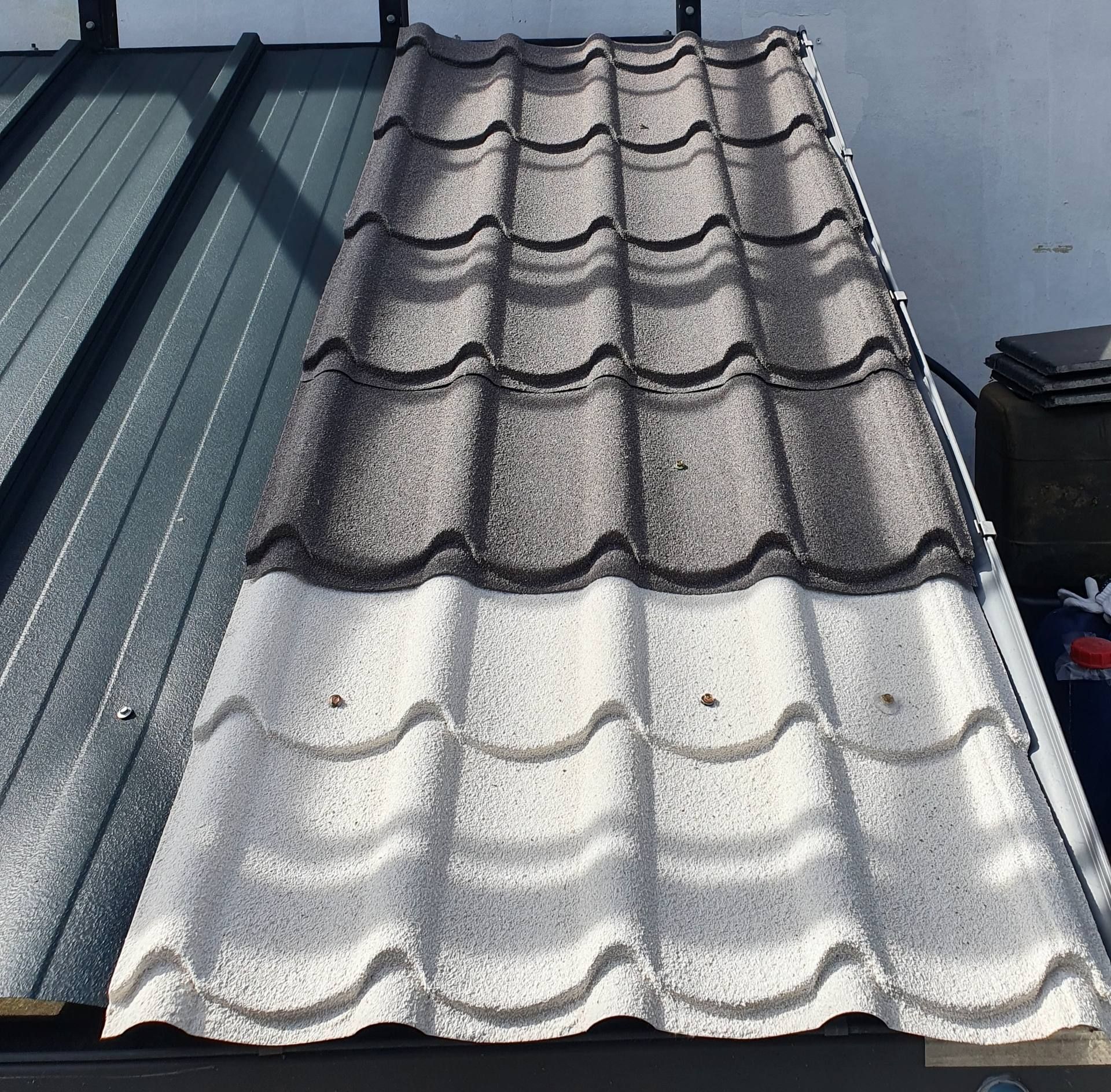
Coatings work by creating a continuous membrane over the existing roofing material, sealing minor cracks and providing a sacrificial layer that absorbs weather exposure instead of the underlying substrate. Reflective coatings reduce heat absorption, which is particularly useful on low-slope or flat roofs where heat buildup accelerates material aging and increases cooling costs during Spokane's summer months.
Request an on-site evaluation to determine whether your roof is a suitable candidate for coating application or requires replacement.
What Changes After Coating Application
Application begins with removal of loose debris, moss, and degraded material, followed by repairs to areas where fasteners have backed out or seams have separated. The coating is then applied in multiple passes to build adequate thickness, ensuring coverage over fastener heads, seams, and transitions where leaks typically originate as roofs age.
After the coating cures, the roof surface appears uniform in color and texture, with sealed cracks and a continuous protective layer that sheds water more effectively than worn, granule-depleted shingles or oxidized metal. Interior spaces below the roof experience less heat transfer during warm months, and the risk of water intrusion through minor surface defects decreases significantly.
Roof coatings do not address structural issues such as decking rot, truss damage, or inadequate drainage, which require separate repairs before coating application. The coating lifespan depends on roof slope, material type, and ongoing maintenance such as debris removal and periodic inspections.
Answers to Frequent Roof Coating Questions
Property owners considering roof coatings typically want to understand the process and expected outcomes before proceeding.
What roofing materials can be coated instead of replaced?
Metal, asphalt, modified bitumen, and single-ply membrane roofs are commonly coated, provided the substrate is structurally sound and free from extensive rot, while wood shake and heavily damaged roofs generally require replacement.
How long does roof coating application take?
Application timing varies based on roof size and condition, with most residential roofs completed over two to three days including surface prep, repairs, and multiple coating passes.
Why do some coatings fail prematurely?
Coatings fail when applied over inadequately cleaned surfaces, when substrate repairs are skipped, or when insufficient thickness is applied, allowing the original roofing material to continue degrading beneath the coating layer.
What maintenance does a coated roof require?
Coated roofs require periodic debris removal, inspection of seams and transitions, and occasional touch-up application in high-wear areas to maintain the protective layer and prevent localized failures.
How do Spokane's seasonal temperature swings affect coating performance?
Temperature fluctuations cause roofing materials to expand and contract, placing stress on coatings that must remain flexible to avoid cracking, making product selection and application timing critical to long-term performance.
North Mud & Painting assesses roof condition and recommends coating systems based on material type and exposure conditions. Schedule a roof inspection to explore coating options for your property.