Wall Finishing and Retexturing
Repairs That Disappear Into Existing Surfaces
Wall Finishing and Retexturing in Spokane for patch repairs and outdated texture updates
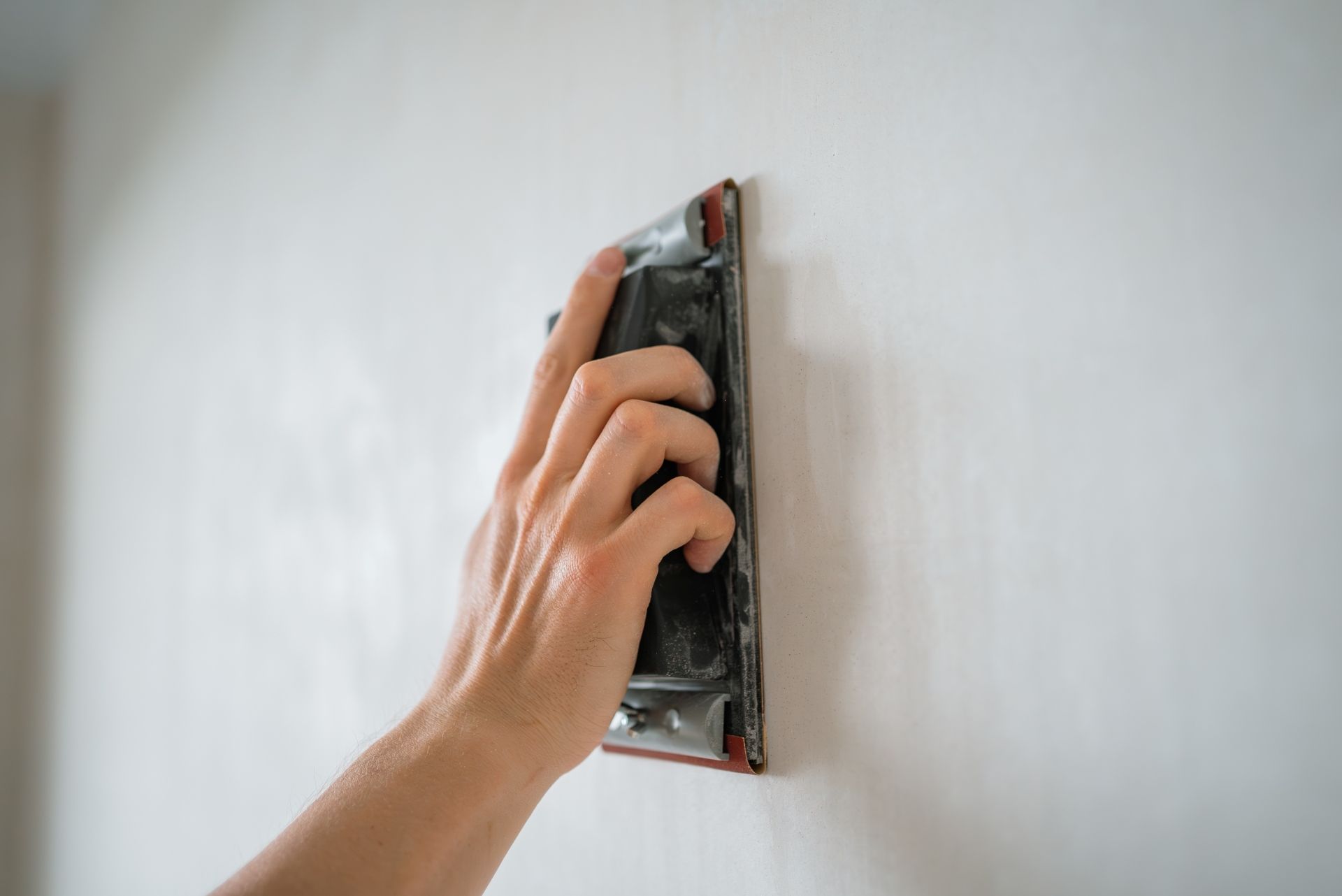
Matching existing wall texture after a repair involves replicating the pattern, depth, and finish of the surrounding surface, which requires identifying whether the original texture was sprayed, rolled, or hand-applied and what tool created it. North Mud & Painting applies smooth finishes and custom textures to blend new drywall patches with existing walls or to update entire rooms where outdated texture no longer fits the design. The process includes sanding patch areas flush with the surrounding wall, applying compound in the correct pattern and thickness, and feathering edges so transitions become invisible once painted.
Retexturing becomes necessary when walls show inconsistent texture from multiple repairs, when homeowners want to modernize heavy popcorn or knockdown finishes, or when entire rooms need uniform surfaces after removing wallpaper or outdated coatings. Clean application requires controlling material consistency, tool pressure, and drying time so the new texture matches in both appearance and feel.
Arrange an on-site consultation to review existing texture patterns and discuss finish options for your walls.
How Texture Application Addresses Surface Inconsistencies
Texture application hides minor surface imperfections that would show through flat paint, including slight waves in drywall, small scratches, and areas where compound was sanded unevenly. Different textures provide varying levels of concealment: light orange peel hides minor flaws while maintaining a relatively smooth appearance, knockdown texture covers more significant irregularities, and heavy textures like skip trowel can mask deeper surface variations. The material is applied wet and either left as-is or knocked down with a trowel after partial drying, depending on the desired finish.
After retexturing, walls show consistent pattern and depth across the entire surface, with no visible lines where new texture meets old. Patched areas blend seamlessly once painted, and the surface feels uniform when touched. Rooms that previously had mismatched textures from repairs now appear cohesive, and outdated heavy textures are replaced with cleaner, more modern finishes that work with current design preferences.
The service prepares walls for paint or decorative finishes but does not include painting itself, though both can be scheduled together. It covers texture application and blending but not structural drywall repairs, which need to be completed before texture work begins. Entire rooms can be retextured to update the look, or individual patches can be blended to match existing finishes.
Common Questions About This Service
Homeowners typically ask how new texture integrates with old and what options exist for modernizing interiors.
What's involved in matching existing wall texture?
Matching requires identifying the original texture type—orange peel, knockdown, skip trowel, or smooth—then replicating the pattern using the same application method and material consistency so the repaired area blends invisibly after priming and painting.
How does retexturing modernize older interiors?
Retexturing removes or covers outdated heavy textures like popcorn or thick knockdown with lighter, cleaner finishes such as orange peel or smooth coatings, which reflect light more evenly and suit contemporary design better than dated patterns.
When should walls be retextured instead of repaired?
Retexturing the entire surface makes sense when walls have multiple patches that create inconsistent texture, when the existing texture is outdated or damaged throughout, or when transitioning from textured to smooth finishes for a modern look.
What determines how well a patch blends?
Blending depends on matching texture pattern, depth, and application method, then feathering edges so no hard line exists between new and old texture, and finally priming and painting the entire wall so color and sheen remain uniform.
How long before retextured walls are ready for paint?
Texture compound typically dries within 24 hours depending on thickness and humidity levels in Spokane, after which walls can be primed and painted once the surface is fully cured and no longer cool to the touch.
North Mud & Painting integrates wall finishing with painting services to complete interior updates efficiently. Contact us to review your walls and discuss texture options that match your existing finishes or modernize your space.