Deck Repair
Restore Stability and Safety to Outdoor Living Areas
Deck repair in Spokane for damaged railings, split boards, or loose structural components affecting safety and use
North Mud & Painting addresses deteriorating deck structures by replacing or reinforcing damaged boards, securing railings that no longer meet lateral load requirements, and correcting structural components that have shifted or weakened. The work focuses on restoring safe access and preventing further decay in areas where moisture exposure has caused splitting, warping, or fastener failure. Repairs extend from minor board replacement to larger restorations involving joist reinforcement and complete railing rebuilds.
Deck repair involves evaluating which boards have lost structural integrity, identifying fasteners that have corroded or pulled through softened wood, and determining whether underlying joists or ledger boards need reinforcement. Surface preparation during repair creates clean, stable substrates for staining or sealing, which protects the wood from Spokane's freeze-thaw cycles that accelerate rot in untreated lumber. Replacing damaged sections before applying finish coatings prevents trapped moisture from continuing to break down the wood beneath the surface.
Schedule an on-site evaluation to determine which components require replacement and which can be reinforced.
What Proper Deck Repair Requires
Effective repairs begin with identifying why the damage occurred—whether from inadequate flashing at ledger connections, missing joist tape that allowed moisture to sit on top of framing, or fasteners driven without pilot holes that split the grain. Addressing the cause prevents the same failure from recurring in adjacent boards or structural members. Material selection during repair matches existing lumber species and dimensions or upgrades to pressure-treated or composite options where rot patterns suggest ongoing moisture problems.
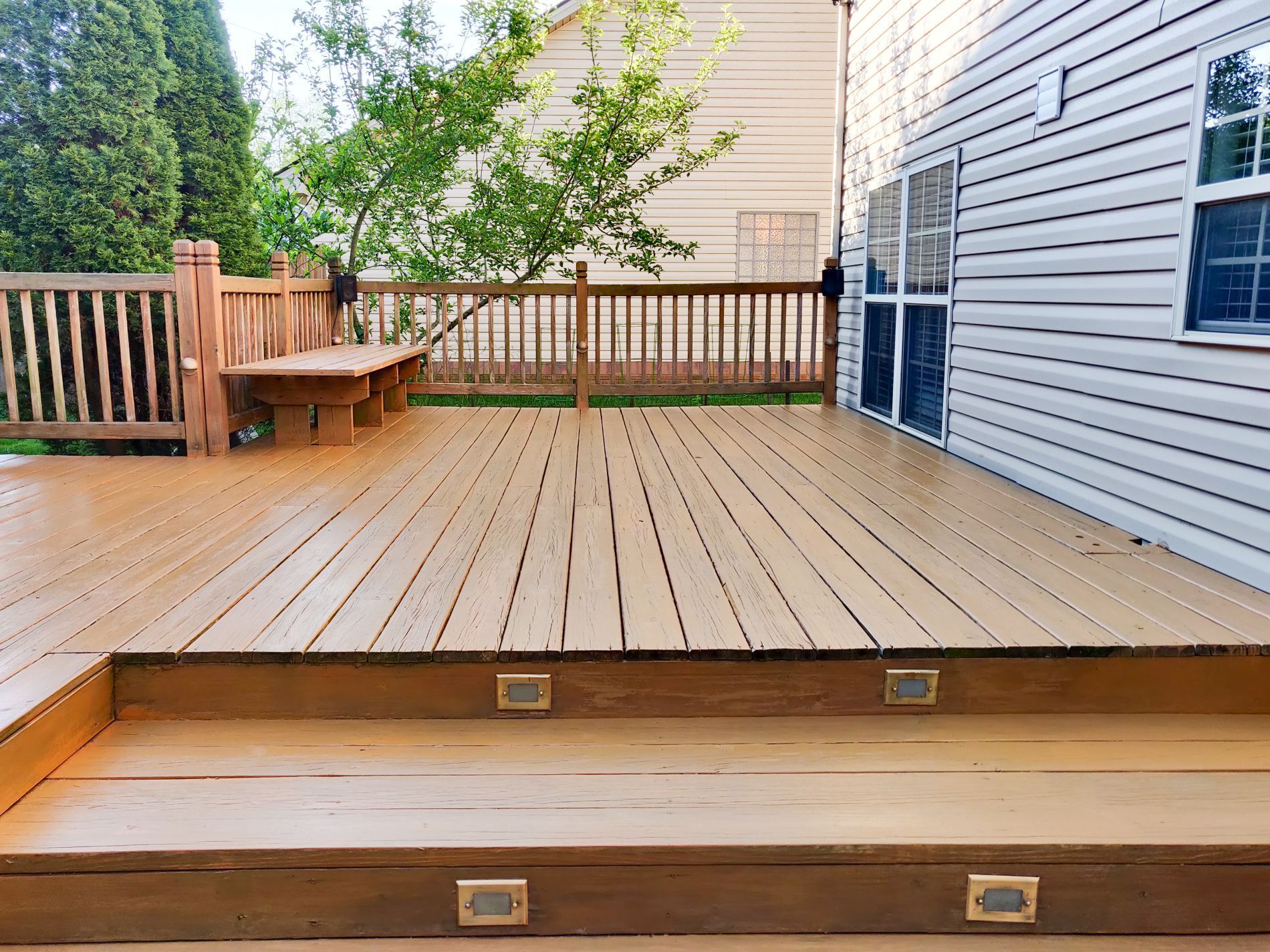
After completion, you'll notice railings that no longer flex under hand pressure, walking surfaces free of springy or cracked boards, and edges where new lumber integrates with existing sections. Stairs regain solid footing without squeaking or lateral movement. Properly repaired decks support weight distribution without deflection and shed water off surfaces rather than pooling in low spots created by warped boards.
Repair scope varies depending on whether only surface boards need replacement or if structural framing requires sistering or blocking additions. Minor fixes typically address isolated boards and cosmetic issues, while larger restorations involve multiple structural layers and may include upgrades to current building code standards for guardrail height and baluster spacing. The approach depends on the extent of decay detected during inspection and whether moisture sources have been corrected.
Questions Before Starting Your Repair
Deck repairs often raise questions about timing, materials, and what the work includes. Understanding the process helps property owners plan for surface preparation and finishing steps that follow structural corrections.
What causes deck boards to split along their length even when the wood looks solid?
Splits typically occur when fasteners are driven without pilot holes, forcing the grain apart, or when boards dry unevenly after prolonged moisture exposure. Replacing split boards with pre-drilled fastener locations prevents the same failure pattern.
How do you determine if joists need reinforcement or only the surface boards require replacement?
A joist that deflects noticeably underfoot or shows rot where it contacts the ledger board needs sistering or replacement, while surface issues alone suggest the framing remains sound. Load testing during inspection reveals whether the structure maintains adequate stiffness.
When should deck repairs happen relative to staining or sealing?
Repairs should be completed and allowed to acclimate for at least two weeks before applying finish coatings, giving new lumber time to release mill moisture that would otherwise trap beneath sealers. Spokane's dry summer months provide the most reliable curing conditions.
What gets included in a railing repair versus a full railing replacement?
Repairs address loose posts, cracked balusters, or sections where fasteners have failed, while replacement becomes necessary when posts no longer anchor securely to the frame or when the entire railing system fails to meet current code for height and spacing.
Why do some deck fasteners rust while others in the same structure remain intact?
Fasteners in contact with certain treated lumber chemicals or those exposed to standing water corrode faster than those in ventilated areas. Using hot-dipped galvanized or stainless steel fasteners during repair prevents premature corrosion in high-moisture zones.
North Mud & Painting works across Spokane and surrounding areas to restore deck safety and prepare surfaces for long-term protection. Contact us to arrange an inspection that identifies specific repairs needed and provides a detailed scope for your project.